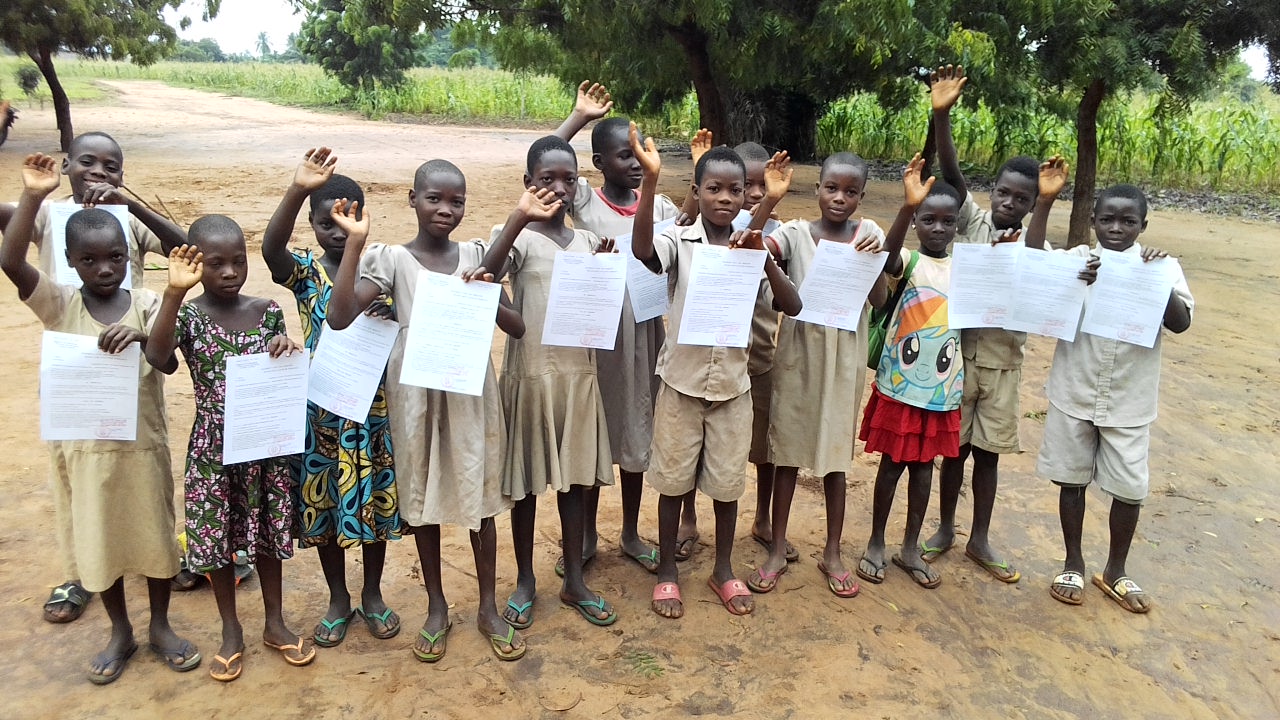


In June 2009, the 20th anniversary of the Convention on the Rights of the Child, BICE launched a world appeal to a new mobilisation for childhood.
There are ten major challenges:
Click on the link below to access the relevant information.
-
Respecting the right to life
-
Fighting against poverty
-
Fighting all forms of violence against children
-
Supporting the families
-
Taking into account child workers
-
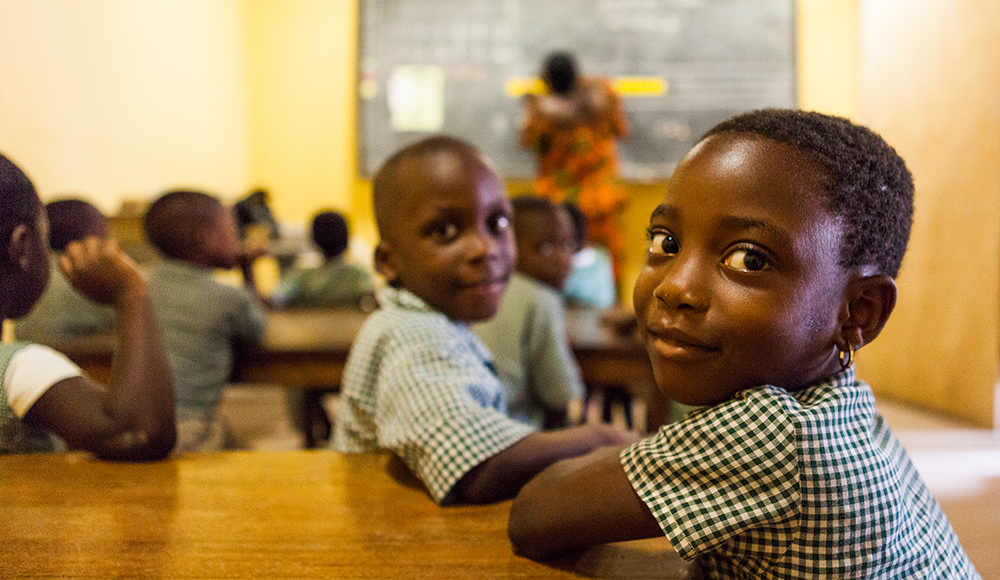
Guaranteeing quality education to each child
-
Guaranteeing the right to health
-
Providing a space for disabled children
-
Humanizing juvenile justice
-
Placing new technologies at the service of the child
Respecting the right to life
An unborn child already bears fundamental rights: he has the right to life on his own. He is neither a simple extension of the life and desire of his parents, nor their property. He also has the right to health care.
He needs his parents to be ready to welcome him appropriately; it is also necessary to prepare the young for all the aspects of a responsible parenthood, without exercising any coercion on their parental projects. The State and society must put in place structures that enable the child to see the light in good conditions. They also must promote a cultureof respect for his life as well as the one of his parents.
This fundamental right to life requires specific actions to fight poverty and a worldwide effort to eliminate the most dangerous diseases.
Return to the list of our challenges »
Fighting against poverty
Over the last 30 years, children have always been the first to be affected by economic and financial crises.
Globalisation must urgently be controlledso that thesetback in absolute poverty it has permitted over the last20 years is not accompanied by an increase of inequalitieswithin countries and among countries. On the contrary, itshould allow a better distribution of the results of growthin order to curb the increase of the number of poor workersor the phenomena of growth with no creation of new jobs.
Public policies play a fundamental rolein the fight against inequalities when they are geared to the poorest people as shown, for example, by the results of the Zero Hunger program in Brazil. The decrease in poverty, and inextreme poverty, is one of the necessary conditions for a sustainableimprovement of health. It also brings on a decreasein violence and makes it possible to exercise responsible parenthoodin order to enter into a positive development cycle.
Return to the list of our challenges »
Fighting all forms of violence against children
Corporal punishment is a practice that violates the rights of children with respect to their physical integrity and their dignity. Reporting the negative consequences of abuse is not enough.
We must generally adopt new methods of education based on the respect of children as legal subjects.
No form of violence, abuse or negligence against children and adolescents is justifiable,nor can it be accepted as atraditional form of education. This is the postulate that guides the actions implemented or supported by BICE in the world to institute a new model of adults/children relationships based on fair treatment.
The participation of childrenis one of the main pillars of BICE’s preventive approach.
Return to the list of our challenges »
Supporting the families
The embrittlement of the familyrequires supporting policies and especially a specific attention for the single-parent families (where the head of the family is more often a woman) who frequently live in a financially precarious condition and in social isolation.
In the poorest countries, it is important for families to be able to meet, even if humbly, their material needs. This reinforces their independence and their capacity to fully exercise their educational responsibilities.
Networks of professionals in the family field (social workers, psychologists, educators) must be developed and reinforced at the local and community levels. At the same time, we must continue an in-depth reflection regarding the need for stability, especially of the smallest children, the complementary roles of a father and a mother, the difficulties related to a family in conflict, etc.
Return to the list of our challenges »
Taking into account child workers
BICE strongly condemns the crimes constituted by the worst forms of child labour. These activities must be eradicatedand their instigators pursued.
We are also aware that in developing countries, child labour represents an important social and economic reality and that its pure and simple interdiction can backfire onto the poorest children. In light of the extreme diversity of situations, it is advisable to consult with the same working children, specifically through organisations of child workers while being attentive to ensure they are not being manipulated.
BICE therefore recommends to the States to look after the employment conditions of children, to promote their professional formation, as the one of their parents, and to ensure the national environment is more favourable to the fight against the exploitation of children for work.
Return to the list of our challenges »
Guaranteeing quality education to each child
The cultural uprootingof many children constitutes a major factor of exclusion from school in every country, and, ultimately, of marginalization and impoverishment.
BICE advocates relying on educators-mediators.Since he shares the same culture as the child, the educator-mediator can help him maintain, complete and value his culture of origin, while enriching him with new references. He especially serves as a model for the child.
We consider that it is urgent to initiate a deep reflection about the educational system, to better understand the needs of the present world and find new answers.
BICE has focused its 2011 International Congress, on the right to education of children estrangedfrom their families and socially excluded.
Return to the list of our challenges »
Guaranteeing the right to health
BICE protects the equal right of access to healthcare for all children.The vaccination policies need to be reinforced,particularly in sub-Saharan Africa. On the other hand, BICEasserts that the preparation to a responsible parenthood andthe assistance during pregnancies may strongly contribute toprotect the child during the vulnerability he faces at the verybeginning of his life.
The tragedy of AIDSaffecting large numbers of children requires information to be provided about the precautions to take to avoid the spreading of the virus, about the possible treatments, and the promotion of a responsible sexuality.
The risky behaviours of adolescents(drug consumption, alcohol, wandering, escape toward a virtual world…), as well as the issues of psychological imbalance they face translate into a malaise and, often, great isolation. In light of this significant issue regarding public health,BICE advocates for the development of various systems of accompaniment (specifically intermediary structures in between the foster homes and psychiatric hospitals) and the increase of the number of professionals to accompany them and come to their aid.
Return to the list of our challenges »
Providing a space for disabled children
Historically, BICE has always worked hard to have the same dignity recognized for all childrenand, specifically, childrenwith a disability.
BICE continues its advocacy work to this date.The number and seriousness of disabilities could significantly be decreased through health care policies or rapid interventions in case of war.
In the CIS countries, a disability is still too often a synonymous of placement into an institution. There is an urgent need to improve the treatments in these institutions, to develop programs for support and/or formation for disabled children, their parents and professionals. The organisations working for the rights of these children must also be supported.
Return to the list of our challenges »
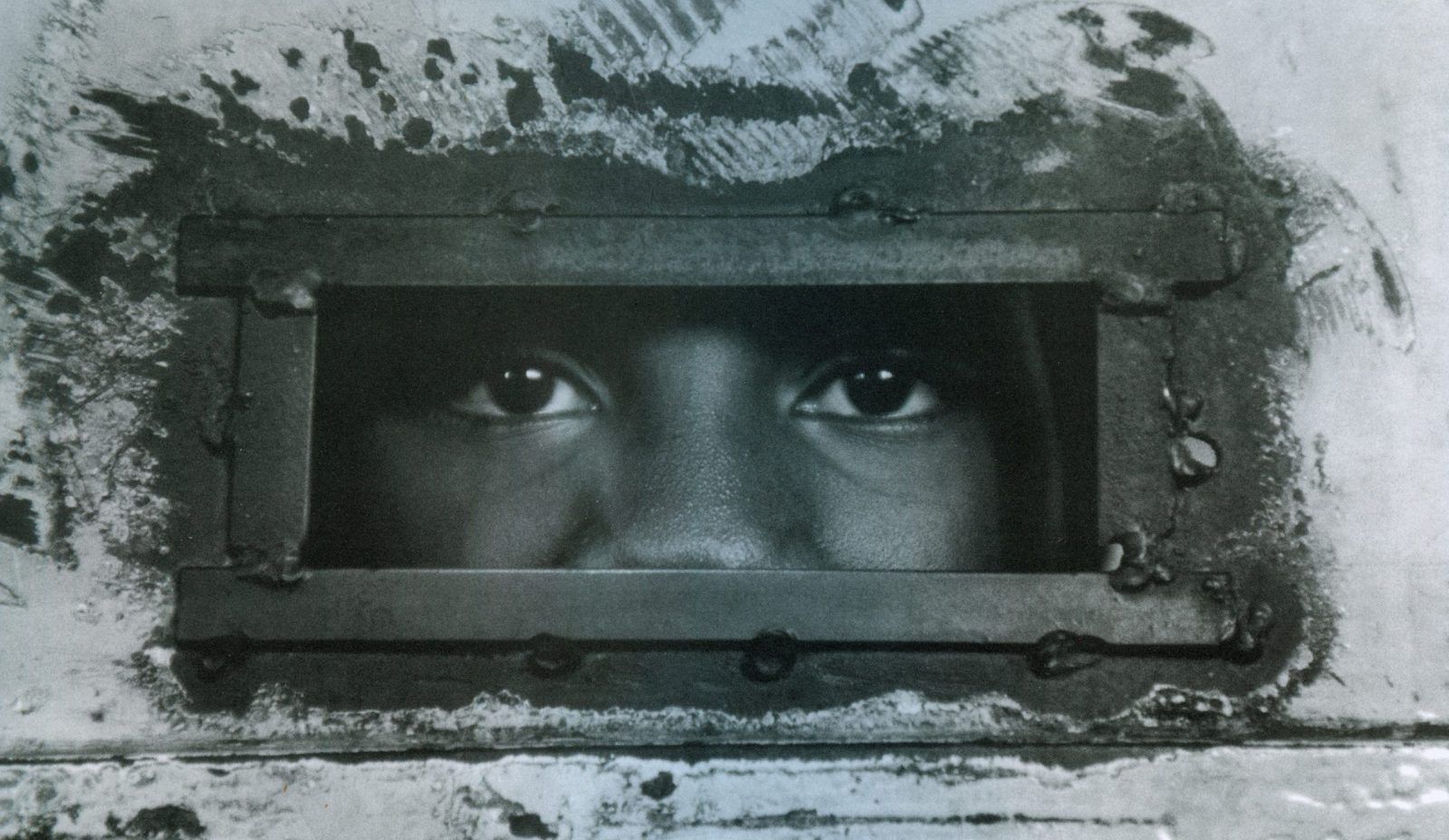
Humanizing juvenile justice
BICE strongly reminds that juvenile justice must mainly aim at their education and re-insertion.Anychild in conflict with the law should be treated «in a mannerconsistent with the promotion of the child's sense of dignityand worth, which reinforces the child's respect for the humanrights and fundamental freedoms of others and whichtakes into account the child's age and the desirability of promotingthe child's reintegration and the child's assuming aconstructive role in society.1»
We have evidenced in many countries the ineffectiveness of institutional responses to criminal infractions by the judicial system by reason of their punitive nature, that are often disrespectful of the most fundamental human rights of children, specifically when dealing with adolescents.
Experience has shown that alternative systems to imprisonment lead to very low rates of recurrence. Today itwould be suitable to make known and recognize these goodpractices so they may be applied as extensively as possible.
1. Article 40 of the Convention on the Rights of the Child.
Return to the list of our challenges »
Placing new technologies at the service of the child
A proper use of the new technologies requires accountability on the part of parents and educators for:
- ample information and awareness of the potentials and risks,
- a dialogue with the children to accompany them, place limitations in terms of usage time, refuse degrading or antisocial activities as well as helping them to acquire a critical spirit.
It also requires the activities to protect children in accordance with the standards developed by the Council of Europe to be pursued1.
1. Declaration of the Council of Europe on protecting the dignity, security and privacy of children on the Internet, February 2008.


Follow BICE